
Training standards
Nottingham Colonic School training standards
Professional colonic hydrotherapy training should be clear about requirements, practical supervision, assessment preparation, client safety and business readiness.
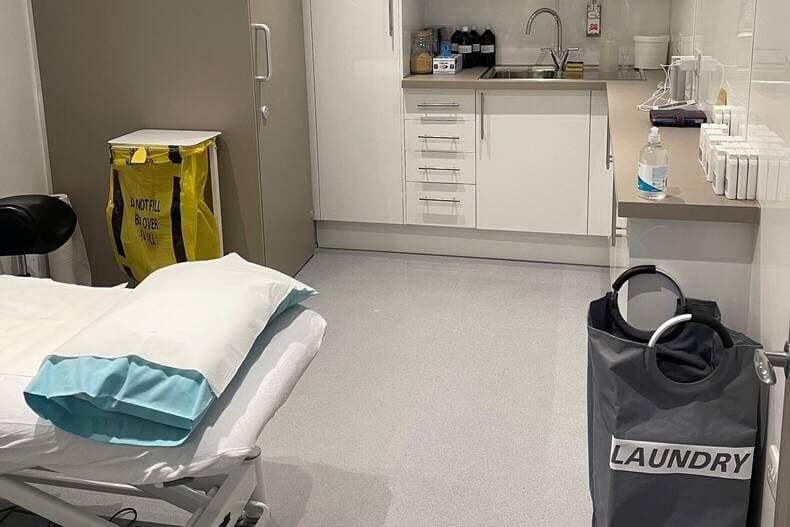
Structured learning
Students work through 4 theory weekends, 8 practical training days and 15 supervised practical sessions rather than relying on a short workshop model.
Suitability before payment
Level 3 anatomy and physiology, First Aid, DBS and student insurance are part of the route. Additional preparation may be advised depending on background.
Transparent payment terms
The course fee is £3,500, with a £500 deposit option and a £3,000 balance under the current course terms.
Standards-led training
Professional standards pathway
Jane Bush MACH RT is an ARCH registered therapist and former ARCH chair. Nottingham Colonic School explains the wider professional route clearly, including CNHC and GNC context, so students can make a standards-led decision before paying a deposit.
 ARCH registered route
 CNHC professional context
 GNC professional context
First Aid / DBS / insurance
Plus CPD and supervised practice expectations.
What standards-led training includes
- Clear entry requirements before training begins.
- Small-group teaching so students can receive direct support.
- Practical clinic learning, hygiene and client-care standards.
- Supervised practical sessions and assessment preparation.
- Business, records, professional conduct and practice-readiness guidance.
Compare providers carefully
Students should compare schools by current accreditation wording, tutor experience, course duration, practical supervision, assessment route, equipment training and how suitability is reviewed. The ARCH-accredited training guide and the comparison guide explain what to check before applying.
Nottingham Colonic School keeps the public booking route separate from more complex clinic, retreat and international enquiries. That means individual students can reserve approved UK intakes when requirements are clear, while Jane can review team facilities, travel, hosting, legal position and trainee suitability before any bespoke arrangement is agreed.
The school's standards are intended to protect students, future clients and Jane's clinical reputation. Clear requirements, careful intake control and practical supervision make the route more suitable for students who want to work professionally rather than simply attend a short introductory workshop.
Students should expect to discuss readiness before training, prepare documentation before practical work and understand how payment, balance dates and booking confirmation fit around the intake. Clinic, retreat and international enquiries need a separate conversation because facilities, staffing, travel, supervision, hosting and local requirements can change what is appropriate.
- 1
Check readiness
Confirm qualifications, background and professional requirements.
- 2
Reserve carefully
Use online checkout only when suitability is clear and an approved intake is open.
- 3
Train properly
Work through theory, practical training, supervision and assessment preparation.
- 4
Prepare to practise
Check insurance, premises, records, conduct and local requirements before treating clients.